
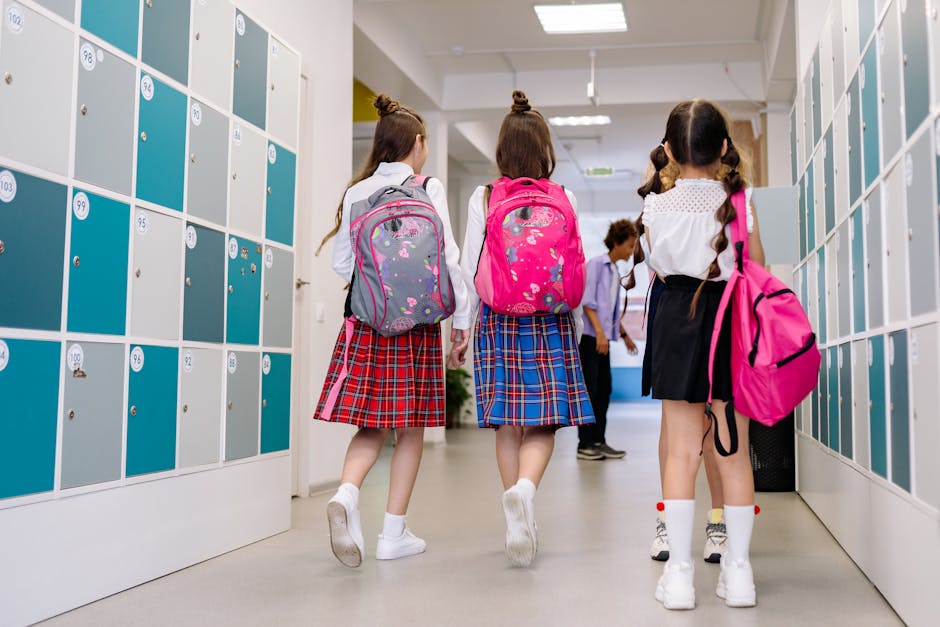
Back-to-school season in Utica, NY, is always a bustling time. Kids hop onto yellow school buses, parents gear up for chilly autumn mornings, and backpacks become everyday essentials. But as a chiropractor caring for families in our community, I often see children suffering from back, neck, and shoulder pain that can be traced back to one everyday culprit: carrying heavy backpacks. Understanding how backpack weight impacts children’s health can help Utica families keep their kids active, comfortable, and ready to learn.
Why Backpack Weight Matters for Children’s Health
Children’s bodies are still growing, and their musculoskeletal systems are particularly sensitive to repetitive stress and uneven loads. A backpack that’s too heavy, worn incorrectly, or poorly designed can quickly lead to:
- Misaligned posture and spinal development
- Muscle strains and fatigue
- Long-term chronic pain or injuries
When exploring the impact, it’s crucial to recognize that smaller frames often bear the load disproportionately; what might seem like a manageable weight for an adult can be damaging for a child.
The Risks of Heavy Backpacks: What Recent Studies Show
Research in pediatric orthopedics reveals that children should not carry more than 10-15% of their body weight in their backpacks. However, in Utica, like many places, children often carry bags packed with textbooks, lunches, sports gear, and devices—sometimes exceeding healthy weight limits.
Common side effects of an overloaded backpack include:
- Rounded shoulders and slouched posture
- Forward head position (tech neck)
- Compressed nerves leading to tingling or numbness in arms
- Headaches and fatigue, especially after a full school day
- Aggravation of pre-existing scoliosis or back problems
Recognizing Early Signs of Backpack-Related Health Issues
Utica parents might notice their children:
- Complaining of back, neck, or shoulder pain after school
- Struggling to put on or take off their backpack
- Frequently leaning forward to compensate for the weight
- Developing red marks or indentations from straps
These early warning signs should not be ignored. Children may not always communicate discomfort unless specifically asked.
Backpack Safety Tips for Utica Families
As the school year progresses and winter approaches in Central New York, kids pile on heavier clothing, which can sometimes camouflage the warning signs of overburdened backs. It’s essential to prioritize backpack safety, especially during these busy, cold months.
Here are practical steps local families can take:
1. Know the Recommended Weight
- Weigh your child’s full backpack—aim for under 10-15% of their body weight.
- Remove unnecessary items routinely.
2. Choose Ergonomic Designs
- Look for backpacks with wide, padded shoulder straps and a padded back panel.
- Select models with waist or chest straps for additional support.
- Rolling backpacks may be ideal for heavy loads, but can be tricky on snowy sidewalks, a common challenge in Utica winters.
3. Teach Proper Wearing Techniques
- Both straps should be worn to balance weight evenly.
- The backpack should rest snugly against the back, not sag below the waist.
- Pack heavier items close to the spine for better weight distribution.
4. Encourage Regular Breaks
- If permitted, encourage children to make stops at their lockers, especially in multi-story schools like those in Utica.
- Remind them to avoid carrying all their books at once unless necessary.
The Local Angle: Backpack Weight and Utica’s Lifestyle
In Utica, kids are known for their vibrant participation in after-school sports and outdoor activities. While these routines are wonderful for health, it often means carrying extra gear and shoes in backpacks. The hilly terrain of the Mohawk Valley also means that children may walk significant distances, often on uneven or slippery sidewalks when school buses can’t stop at every door.
Consider these local strategies:
- Organize carpools or walking groups that allow kids to store and share heavier items.
- Advocate for digital textbooks through your local school district to reduce physical loads.
- Talk to teachers about homework and textbook policies—many are open to keeping extra books at school for long-term projects.
When to Seek Professional Help
If your child’s pain persists or if you notice persistent asymmetry in their posture, scoliosis warning signs, or numbness and weakness, consult a licensed chiropractor or pediatrician. Early intervention is crucial to prevent chronic health problems. In Utica, there are numerous practitioners with experience addressing these specific musculoskeletal concerns in children.
Conclusion: Setting Children Up for Lifelong Spinal Health
Teaching children good backpack habits now can prevent months or years of discomfort and set them up for a lifetime of healthy movement. Utica’s unique climate, busy school routines, and active community lifestyle make backpack safety especially relevant for local families.
Keep the conversation open with your kids about how they feel during and after school, and review their backpack setup regularly—especially as their coursework or after-school activities change. By prioritizing backpack safety, you’re making an investment in your child’s long-term health, both in and out of the classroom.
