
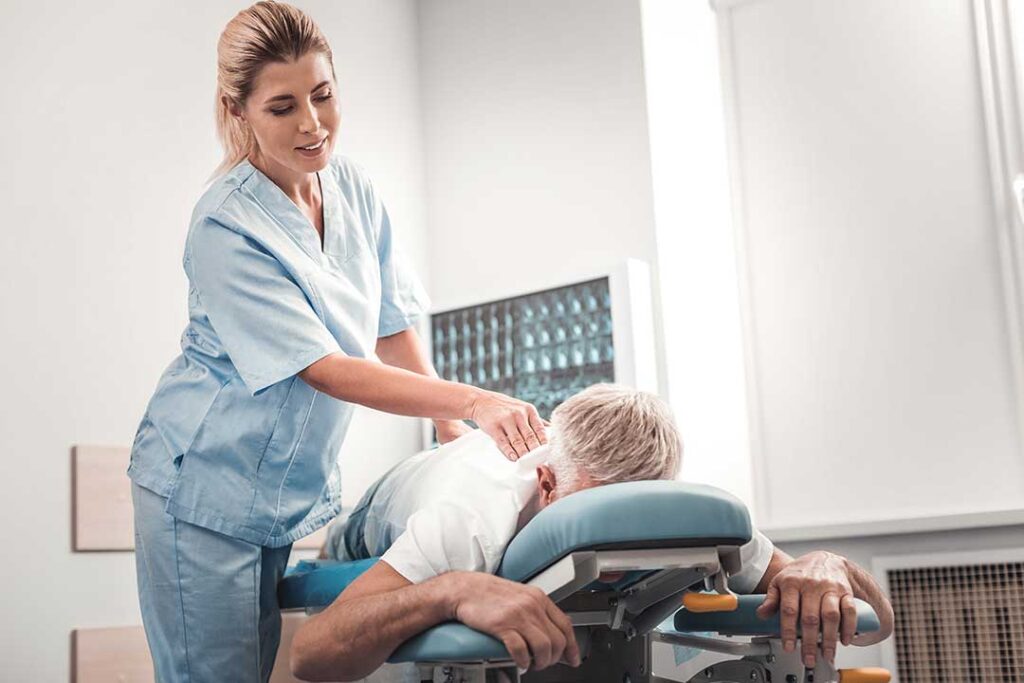
Chiropractic and physical therapy are related but distinct forms of conservative care for pain, stiffness, movement limitations, and some injuries. Both may use hands-on techniques, exercise, and education, but they usually emphasize different parts of recovery.
For residents of Utica, understanding those differences can make it easier to ask useful questions, recognize when care may overlap, and identify situations that need medical evaluation rather than routine musculoskeletal treatment.
What is the main difference between chiropractic and physical therapy?
Chiropractic care commonly emphasizes the relationship between spinal or joint motion, the nervous system, and musculoskeletal symptoms. Treatment may include spinal manipulation, joint mobilization, soft-tissue techniques, activity guidance, and exercises.
Physical therapy focuses more broadly on restoring movement, strength, balance, coordination, endurance, and function. A physical therapist may use therapeutic exercise, movement retraining, manual therapy, stretching, balance activities, and education about body mechanics.
The distinction is not absolute. Some chiropractors prescribe exercises, and some physical therapists use joint mobilization or spinal manipulation. The specific education, legal scope of practice, clinical experience, and treatment approach of the individual provider matter.
Spinal manipulation is not exclusive to chiropractic. Licensed physical therapists and other qualified health professionals may also use it in appropriate circumstances. ([nccih.nih.gov](https://www.nccih.nih.gov/health/spinal-manipulation-what-you-need-to-know?utm_source=openai))
How are the two approaches similar?
Both fields may begin with a history and physical examination. The evaluation may consider:
- Where the pain is located
- How symptoms began
- What movements increase or reduce discomfort
- Strength, flexibility, balance, and coordination
- Numbness, tingling, or weakness
- Work, recreation, sleep, and household demands
Both may also encourage people to remain appropriately active rather than relying only on passive treatment. For example, someone with back pain may receive advice about lifting, sitting, walking, and gradually returning to normal activities.
Research on low-back pain supports several non-drug approaches, including exercise-based care, physical therapy, and spinal manipulation. Benefits are often modest, and results vary depending on the cause, duration, severity, and individual factors involved. ([nccih.nih.gov](https://www.nccih.nih.gov/health/spinal-manipulation-what-you-need-to-know?utm_source=openai))
When might chiropractic care be considered?
Chiropractic care may be considered for some mechanical or musculoskeletal complaints, such as uncomplicated back pain, neck stiffness, or certain joint-related problems. The purpose is generally to improve comfort and movement, not to treat every condition that happens to cause pain.
For acute low-back pain, spinal manipulation may provide a small improvement in pain and function for some adults. It is one option among several, rather than a universally superior treatment. ([nccih.nih.gov](https://www.nccih.nih.gov/health/spinal-manipulation-what-you-need-to-know?utm_source=openai))
A person who spends long periods shoveling snow, lifting during winter home maintenance, or remaining sedentary during cold weather may develop strain-related symptoms. Those situations can sometimes respond to a combination of temporary activity modification, gradual movement, strengthening, and appropriately selected manual treatment.
However, a “slipped disc,” nerve problem, fracture, infection, inflammatory disease, or internal medical condition may require a different evaluation. A treatment plan should be based on the examination rather than on a symptom label alone.
When might physical therapy be especially useful?
Physical therapy may be particularly useful when the main goal is rebuilding function over time. Examples include recovery after surgery, a sports injury, a fall, prolonged inactivity, or an episode of pain that has caused weakness and guarded movement.
Physical therapy can address:
- Reduced leg or shoulder strength
- Limited joint range of motion
- Balance problems
- Difficulty climbing stairs or walking
- Repeated workplace or household strain
- Loss of endurance after illness or injury
- Movement habits that contribute to recurring symptoms
The exercise component is often central. A plan may begin with simple movements and progress toward tasks that matter in daily life, such as carrying groceries, getting up from a chair, managing stairs, or returning to recreational activity.
This can be relevant in older housing with stairs, uneven walkways, or frequent seasonal maintenance demands. Improving strength and balance may help a person function more safely, although exercise cannot eliminate every fall or injury risk.
Can chiropractic and physical therapy be used together?
Sometimes they can, but combined care should have a clear purpose. Using two approaches does not automatically make treatment more effective, and receiving similar treatments from different providers without communication may create confusion.
Coordination is most useful when each professional addresses a different need. For example, one treatment plan might focus on short-term symptom relief and joint mobility while another emphasizes strength, balance, lifting technique, and long-term self-management.

Patients can help by making sure each provider knows about:
- Current symptoms and diagnoses
- Recent imaging or medical evaluations
- Medications and significant health conditions
- Other treatments already being used
- Changes in pain, numbness, strength, or function
Professional guidance emphasizes staying within scope of practice and communicating or referring when a patient’s needs exceed a provider’s training or role. ([apta.org](https://www.apta.org/your-practice/scope-of-practice?utm_source=openai))
Does physical therapy replace chiropractic care, or vice versa?
Usually, neither automatically replaces the other. The more useful question is which treatment matches the person’s goals, diagnosis, risks, preferences, and access to care.
Someone seeking help with movement control and progressive strengthening may place greater value on physical therapy. Someone with a clearly assessed mechanical complaint who prefers manual care may consider chiropractic treatment. Some people may use one approach at different stages of recovery.
Treatment should also be reassessed if symptoms are not improving. Repeated passive care without progress toward better function deserves a closer review of the diagnosis and plan.
What safety issues should residents know?
Mild, temporary soreness, stiffness, headache, or increased discomfort can occur after spinal manipulation or mobilization. These effects commonly resolve within a short period, but serious complications have been reported rarely. Neck manipulation deserves particular caution because rare artery injuries and stroke have been discussed in medical safety reviews, although the level of risk and cause-and-effect relationship remain subjects of research. ([nccih.nih.gov](https://www.nccih.nih.gov/health/spinal-manipulation-what-you-need-to-know?utm_source=openai))
A thorough health history matters. Conditions involving bone fragility, recent trauma, blood-clotting concerns, neurological symptoms, inflammatory disease, cancer, or infection may change which treatments are appropriate.
Urgent medical evaluation is more appropriate for symptoms such as:
- New or worsening weakness
- Loss of bladder or bowel control
- Numbness in the groin or inner thighs
- Severe pain after a fall or collision
- Fever with significant back or neck pain
- Unexplained weight loss or severe night pain
- Sudden trouble speaking, walking, seeing, or using an arm
For routine musculoskeletal symptoms, chiropractic and physical therapy are not competing categories so much as different tools. The safest choice depends on an accurate assessment, realistic goals, active participation in recovery, and a willingness to reconsider the plan when symptoms do not follow an expected course.
